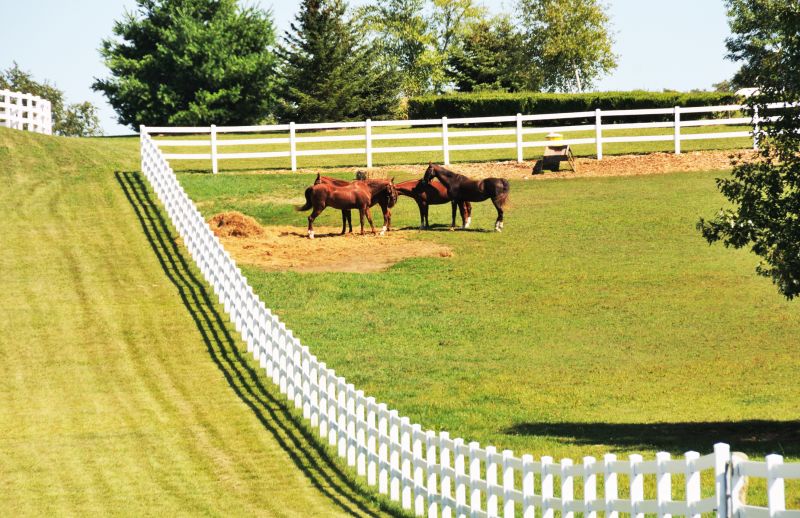
Equine Fence Installation in South Houston, TX
Equine fence installation services involve the design and setup of secure, durable fencing systems tailored to the needs of horse owners and property managers. These services typically cover a range of projects, including creating enclosures for riding arenas, pastures, and turnout areas, as well as fencing around barns and stables. Property owners usually want to understand the types of fencing materials available, such as wood, vinyl, or wire, and how each option impacts safety, maintenance, and longevity. Additionally, considerations like fence height, gate placement, and compliance with local regulations are important factors in planning a successful installation.
Before requesting equine fencing services, property owners should consider the size and layout of the area to be enclosed, as well as the specific needs of their horses and property use. It’s helpful to think about the level of security required, whether the fencing needs to withstand weather conditions common in South Houston, TX, and how the fencing will integrate with existing structures. Clear understanding of these factors can ensure the selected fencing solution provides a safe and functional environment for horses while fitting within the overall property design.
Many property owners in South Houston, TX look into Equine Fence Installation for repairs, replacements, upgrades, and appearance-related improvements.
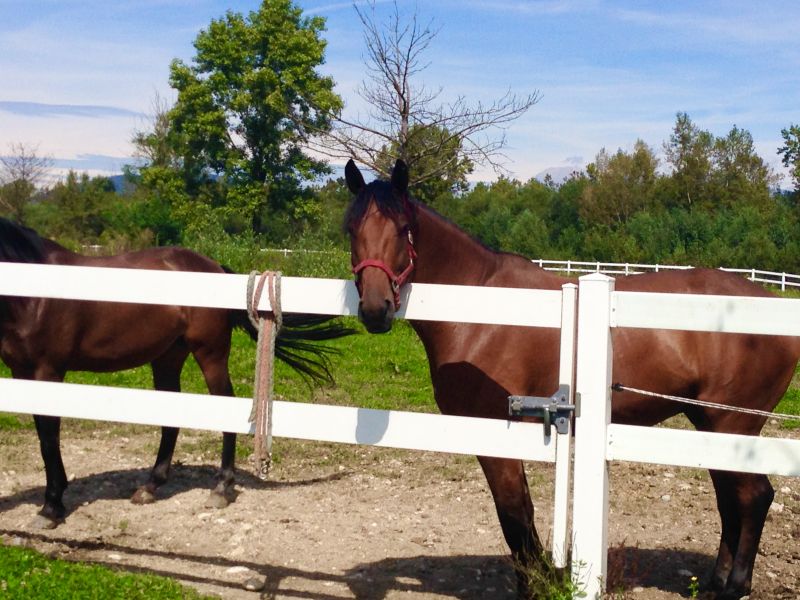
Types Of Equine Fences
Various fencing options are available to suit different needs for horse safety and property aesthetics.
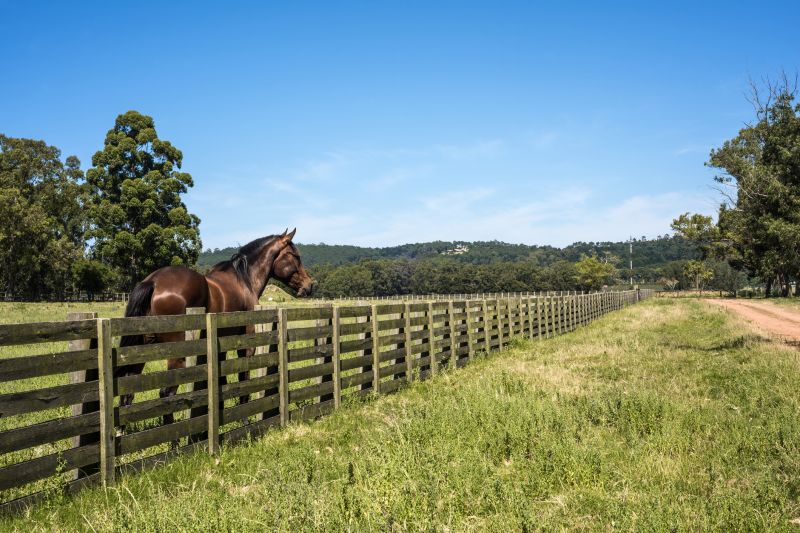
Fence Maintenance & Durability
Proper installation and regular upkeep help ensure fences remain sturdy and secure over time.
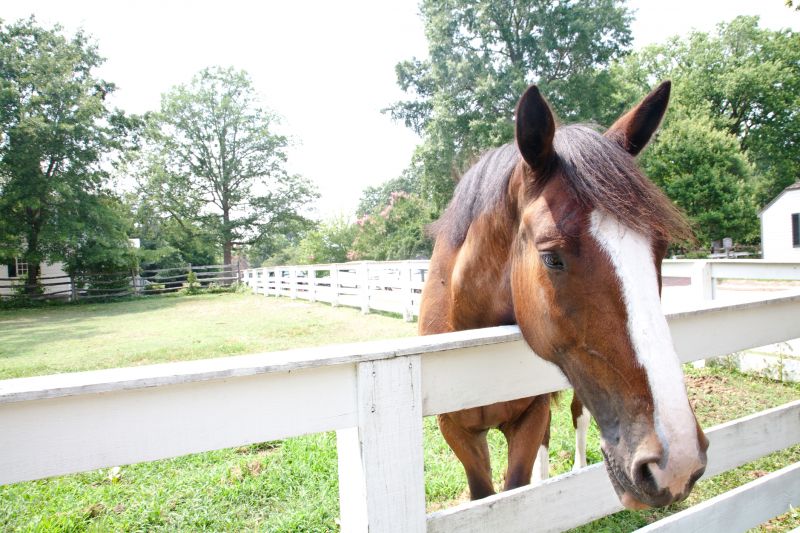
Design Considerations
Choosing the right materials and layout can enhance safety and functionality for equine enclosures in south houston, tx.
Equine Fence Installation in South Houston, TX

Equine fence installation services involve the design and setup of secure, durable fencing systems tailored to the needs of horse owners and property managers. These services typically cover a range of projects, including creating enclosures for riding arenas, pastures, and turnout areas, as well as fencing around barns and stables. Property owners usually want to understand the types of fencing materials available, such as wood, vinyl, or wire, and how each option impacts safety, maintenance, and longevity. Additionally, considerations like fence height, gate placement, and compliance with local regulations are important factors in planning a successful installation.
Before requesting equine fencing services, property owners should consider the size and layout of the area to be enclosed, as well as the specific needs of their horses and property use. It’s helpful to think about the level of security required, whether the fencing needs to withstand weather conditions common in South Houston, TX, and how the fencing will integrate with existing structures. Clear understanding of these factors can ensure the selected fencing solution provides a safe and functional environment for horses while fitting within the overall property design.
Many property owners in South Houston, TX look into Equine Fence Installation for repairs, replacements, upgrades, and appearance-related improvements.
Common Equine Fence Installation Jobs
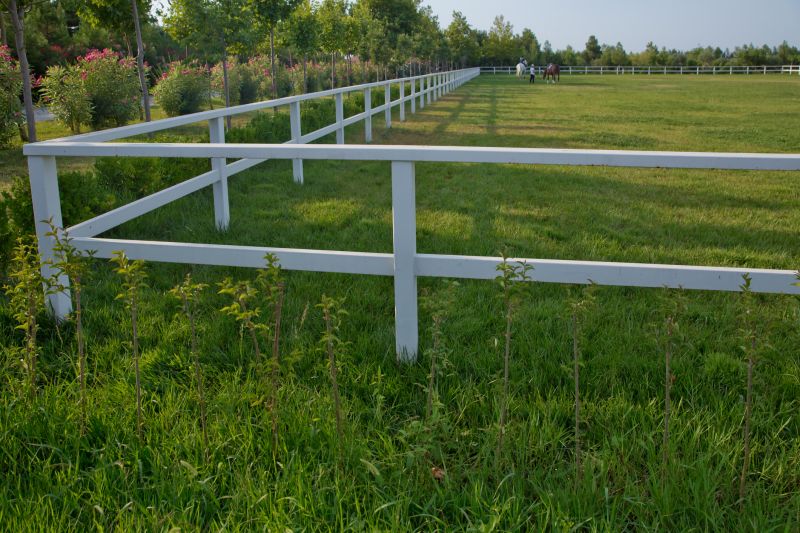
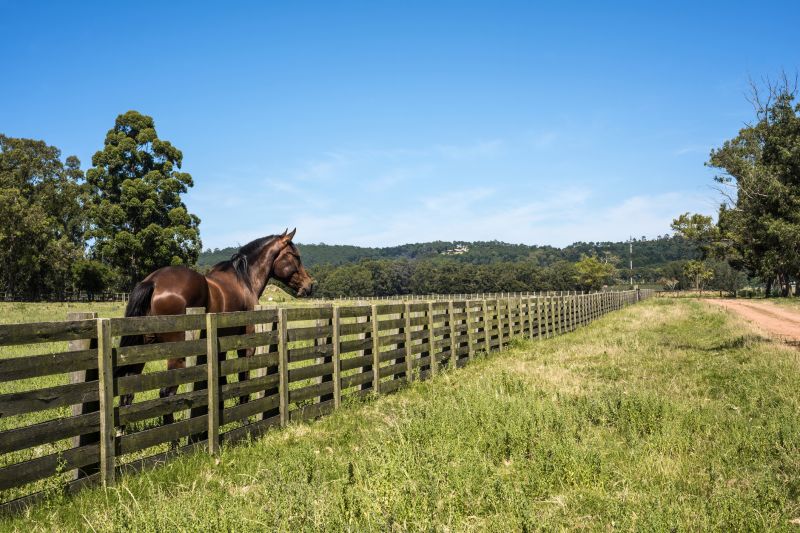
Wooden horse fences - provide a traditional look and are easy to customize for property boundaries.
Vinyl fencing - offers durable, low-maintenance options suitable for equine enclosures.
Pipe fencing - creates strong, secure boundaries that withstand outdoor conditions.
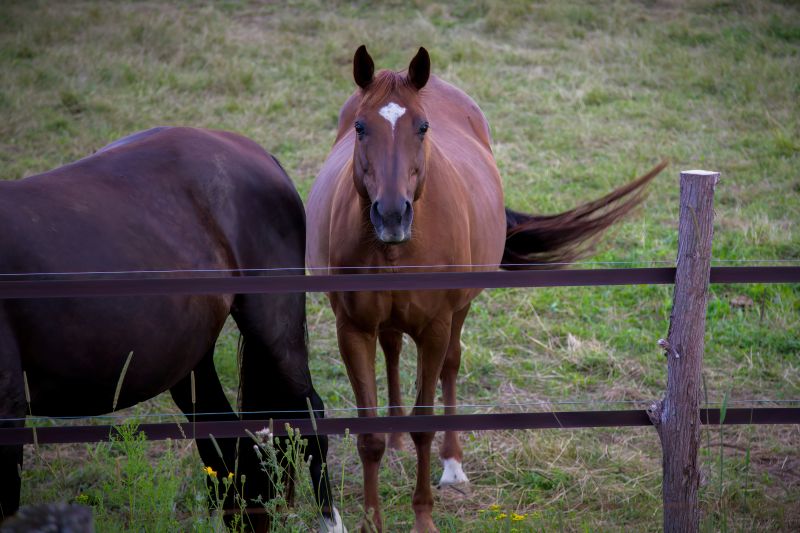
Electric fencing - helps control horse movement and enhances safety on the property.
Post and rail fences - define large pastures with a classic, open appearance.
Mesh fencing - prevents horses from escaping while allowing visibility across the enclosure.
Equine Fence Installation Questions
What types of fencing are suitable for equine properties? Common options include wood, vinyl, and wire fencing, each offering durability and visibility for horses.
How high should an equine fence be? Typically, fences should be at least 4 to 5 feet tall to prevent horses from jumping over.
What materials are best for horse safety? Smooth, non-slip materials like vinyl or treated wood help reduce injury risks for horses.
Can fences be installed on uneven terrain? Yes, fencing can be adapted to fit uneven or sloped land to ensure a secure enclosure.
Request Equine Fence Installation in South Houston, TX
Use the quote form on this page to share the basics of your project and request more information for the type of work you need.